Duct Sanitizing vs Vacuuming: What Actually Cleans Your Air
Air quality issues inside the house rarely fix themselves. At Southwest Carpet, we regularly see homes where the vents were recently swept, yet the residents still struggle with lingering odors and dust. The truth is that pulling dry debris out of the metal lines is only the first half of the job. To genuinely reset the air quality in your home, you have to address the biological growth that regular sweeping leaves behind.
Duct sanitizing is the critical step that neutralizes the invisible contaminants clinging to the inside of your HVAC system. Understanding the difference between mechanical debris removal and chemical sanitization ensures you get the results you are actually paying for. We believe in giving our clients honest expectations about what these treatments do and how long they last. Let us break down what actually cleans the air circulating through your living space.
What We Cover:
- The Limits of Standard Vacuuming
- Overestimating Basic Air Duct Cleaning
- How Duct Sanitizing Treatments Actually Work
- Frequently Asked Questions
- Taking Control of Your Indoor Air Quality
The Limits of Standard Vacuuming
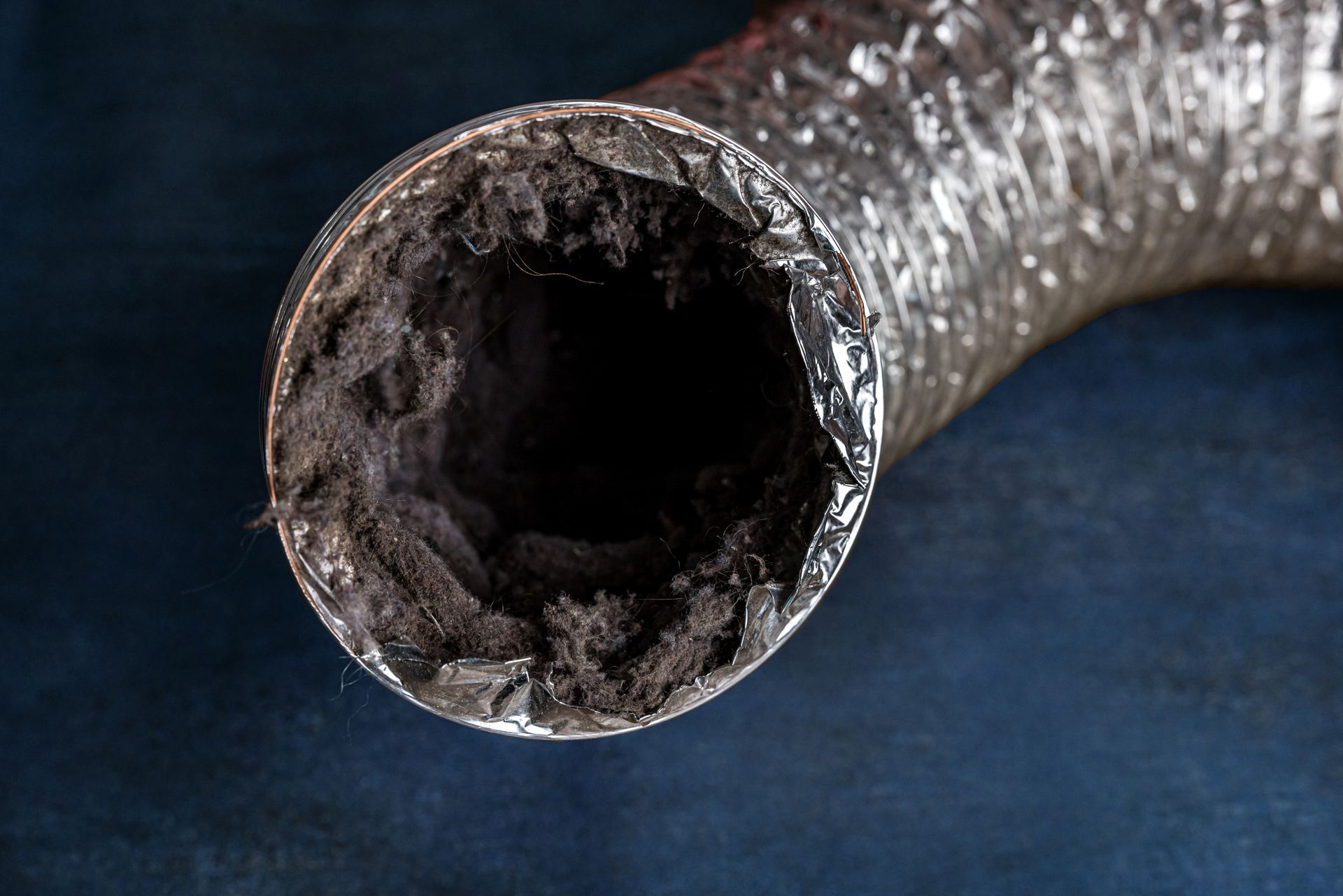
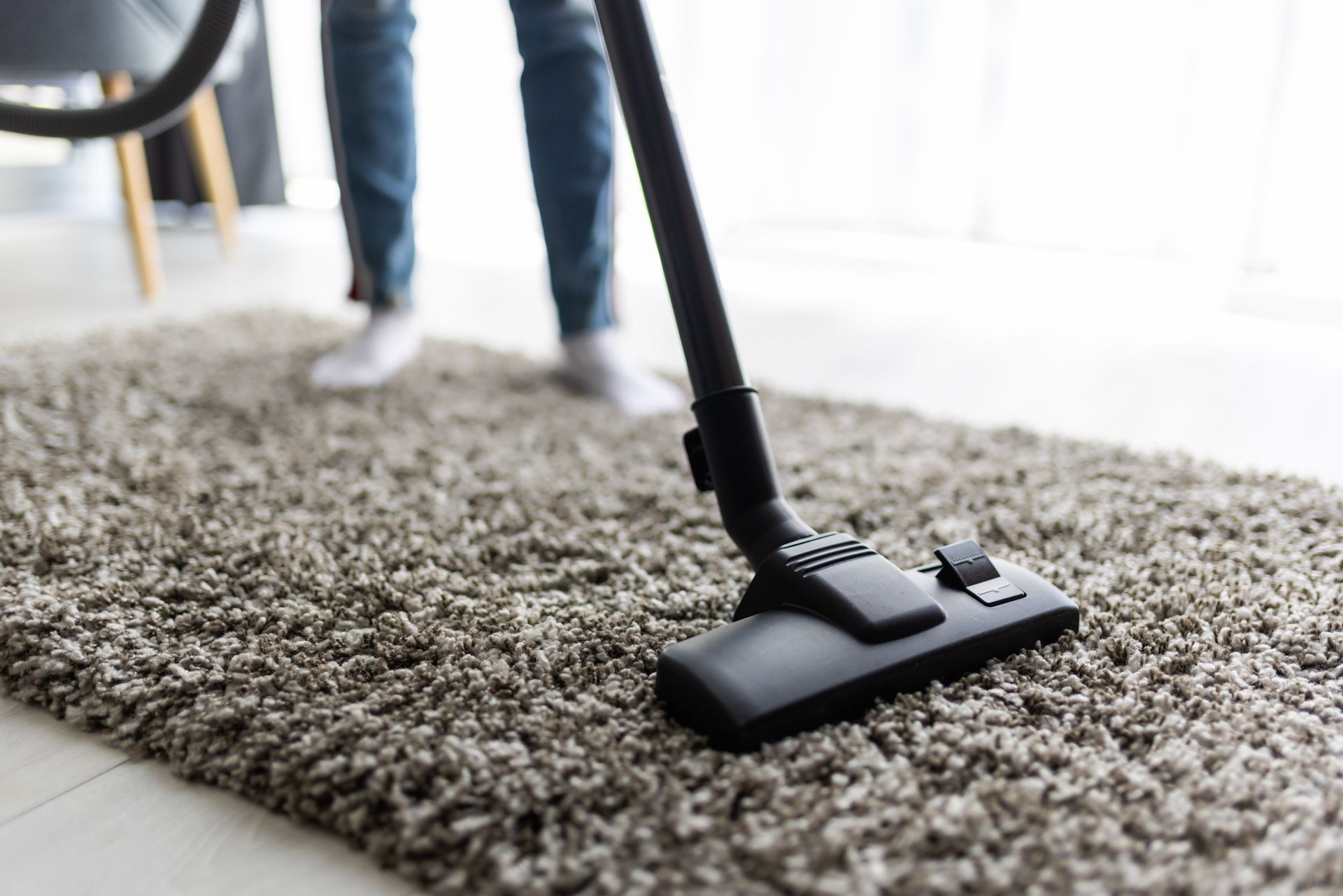
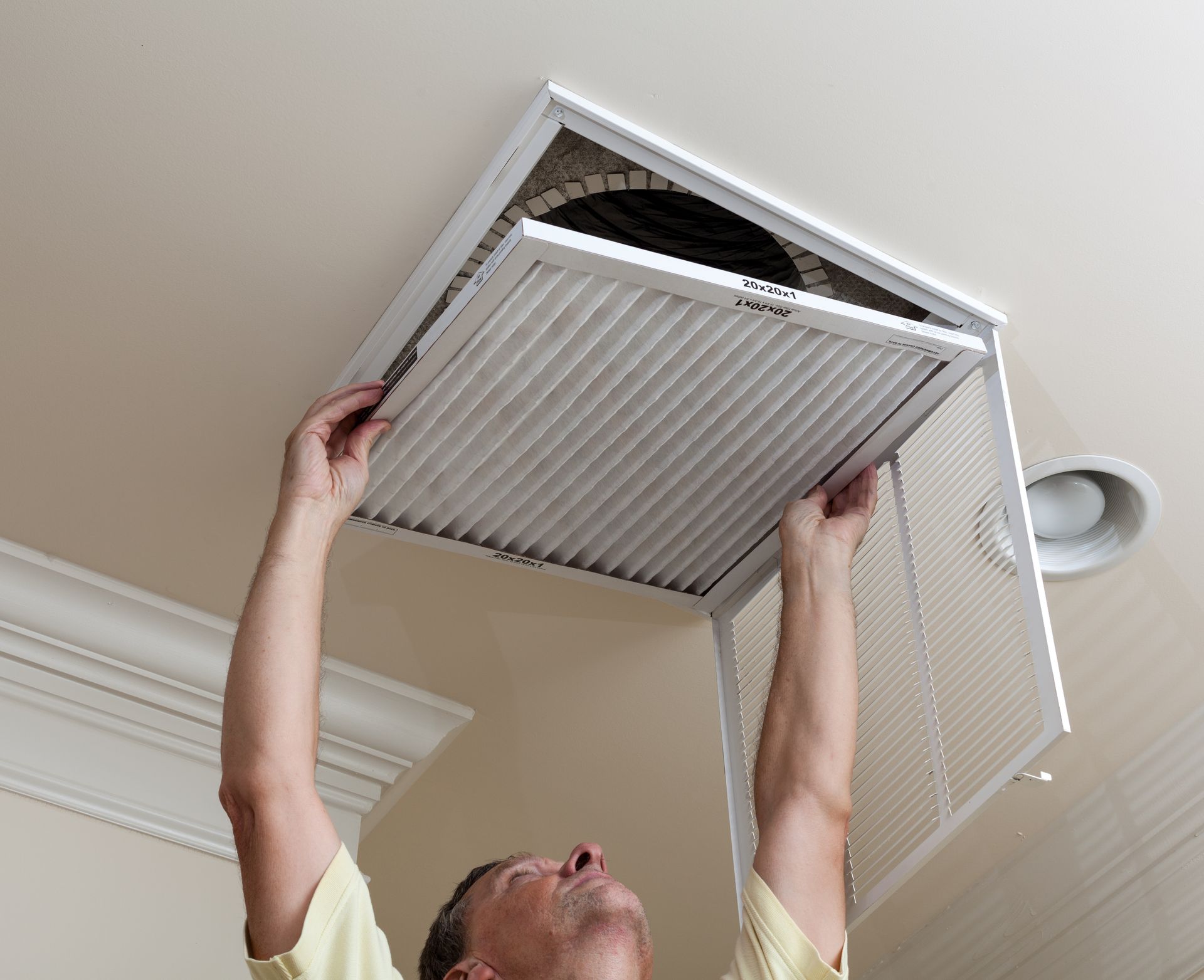
Residential air duct cleaning primarily relies on high powered vacuums and rotating brushes to knock loose heavy dust and pet dander. This mechanical action is excellent for removing the physical blockages that choke your airflow and strain your blower motor. However, dry brushing does absolutely nothing to stop microscopic bacteria or mold spores that have taken root in the dark, humid corners of your ductwork.
→ A quick tip to remember: If your air conditioning smells like dirty socks when it kicks on, a standard vacuum sweep will not solve the problem.
Overestimating Basic Air Duct Cleaning
The most common misunderstanding we encounter in Surprise is the belief that standard duct sweeping permanently fixes allergy issues. Homeowners overestimate the power of vacuuming because they see a large amount of dust being removed from the system. In reality, leaving the microscopic contaminants behind means the irritants will quickly multiply the moment condensation builds up in the metal lines.
→ From a professional standpoint: Air duct cleaning removes the food source for mold, but only a sanitizing treatment kills the active growth.
Our team knows that true safety comes from addressing the whole ventilation system, which is why we apply the same exact thoroughness whether we are treating air ducts or performing dryer vent cleaning. This honest approach to safety and efficiency is exactly what our clients appreciate most.
► Client Experience: Mike was so nice! He was able to come out super quickly and clean out my dryer vent. I found myself in a pinch and needed dryer vent cleaned out before I had a new dryer put in. I’m so glad I called him, he was able to get me in same day, and also helped me better understand the safety of getting it cleaned at the right frequency to avoid house fires. I’m so appreciative of him, the service he provided, and the timeliness he was able to accommodate for me. - Liesl Janssen
Delivering fast, effective solutions that actually protect the home is the standard we bring to every single job.
How Duct Sanitizing Treatments Actually Work
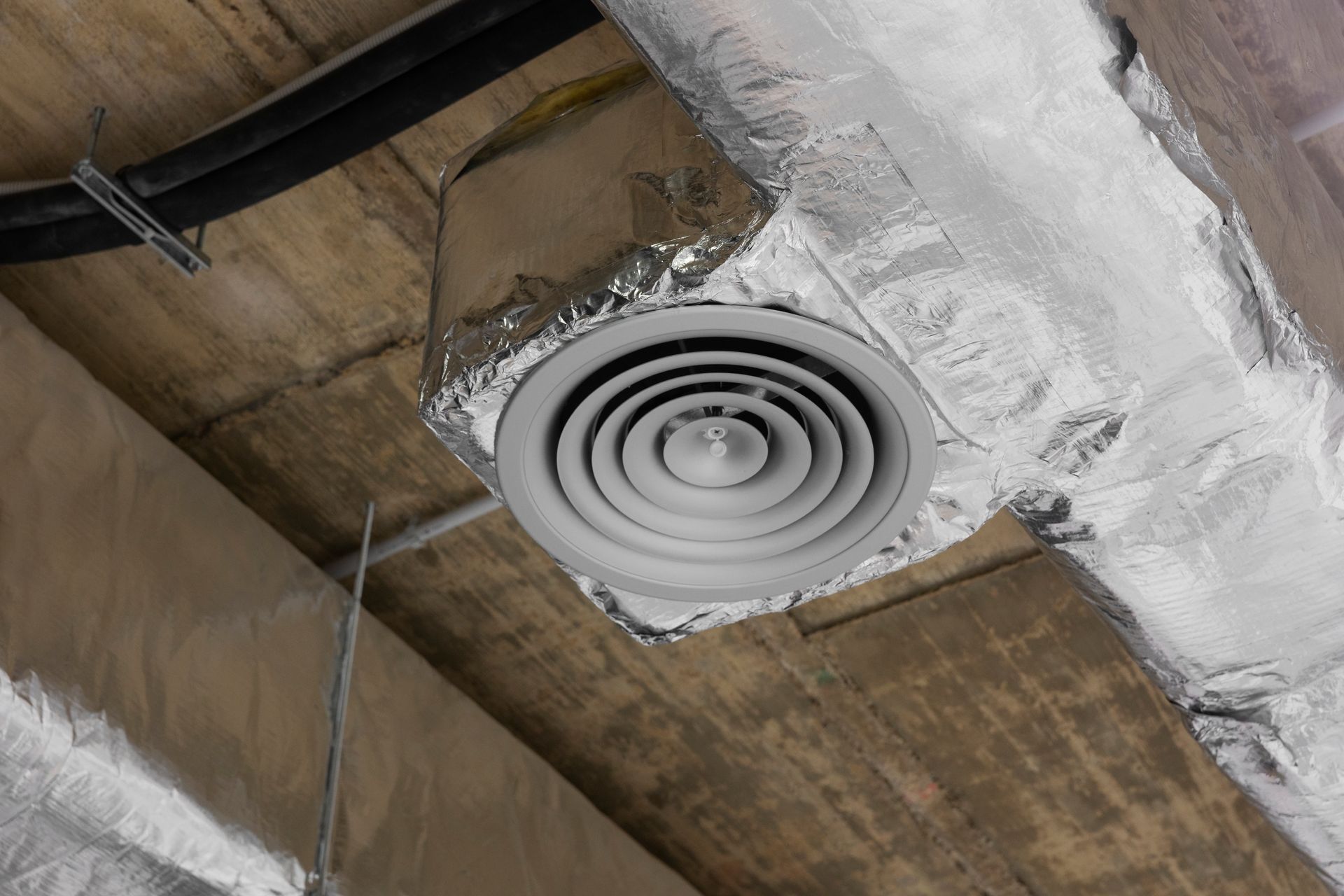
Duct sanitizing introduces an eco friendly, non toxic mist directly into the ventilation lines after the heavy debris has been cleared. This specialized fog travels through the entire HVAC system, coating the interior walls and neutralizing bacteria, mold, and lingering odors. The treatment breaks down the biological contaminants at a molecular level, leaving the ductwork medically clean and safe for your family.
Frequently Asked Questions
Does air duct sanitizing remove odors?
Yes, sanitizing is highly effective at neutralizing organic odors that originate from inside the ductwork. Smells from cooking, pets, or old smoke often embed themselves in the fine dust lining the metal walls. By applying a specialized antimicrobial fog, the treatment destroys the odor causing bacteria rather than just masking the smell with fragrance.
What products are used in duct sanitizing?
Professional technicians use specific EPA registered antimicrobial solutions designed strictly for HVAC systems. These formulas are non toxic and safe for residential homes, meaning they will not leave harmful chemical residues circulating in your air. We prioritize eco friendly products that aggressively target mold and bacteria without compromising the health of your household.
How do I know if my HVAC system has mold?
Visible black spots around the exterior of your supply registers are a strong indicator of mold growth inside the system. You might also notice an increase in allergy symptoms when the air conditioning turns on, or a persistent damp smell in certain rooms. A thorough vent inspection by a qualified technician can verify the presence of active spores using proper lighting and camera equipment.
Taking Control of Your Indoor Air Quality
Breathing clean air inside your own house should never be a guessing game. Recognizing the difference between basic sweeping and true sanitization allows you to make an informed choice about your home maintenance.
Give us a call today to schedule an inspection and get your ventilation system running clean and clear.